
Australia continues to attract experienced carpenters because housing construction, renovation, infrastructure, and regional development all need practical building skills. But having years on the tools is only the beginning. To work legally, many overseas carpenters must prove that their training and experience match Australian standards, identify a suitable visa pathway, and prepare for differences in safety rules, documentation, and workplace expectations.
This guide explains the usual process in plain language so you can plan your move without confusing a job search with a visa guarantee.
Start by defining your occupation correctly
Australia separates construction occupations carefully. A carpenter, carpenter and joiner, joiner, cabinetmaker, and formwork carpenter may have different assessment outcomes and licensing requirements. Your duties should match the occupation you select. Do not choose a title only because it appears on a job advertisement.
Before applying, collect a detailed employment history showing the work you actually performed. A strong file normally includes:
- Trade certificates, apprenticeship records, and transcripts where available.
- Employer reference letters stating dates, hours, job title, tools used, and duties.
- Payslips, tax records, contracts, or social-insurance evidence to support employment claims.
- Passport identity pages and certified translations for documents not in English.
- A practical portfolio showing framing, roofing structures, finishing, formwork, or other relevant work.

How the carpentry skills assessment usually works
For migration purposes, a carpenter may need a formal skills assessment through the authority responsible for the nominated occupation and visa route. The assessor compares your qualification and employment history with the Australian benchmark. Some applicants receive a straightforward document-based result; others may need a technical interview, practical demonstration, or additional evidence.
The safest approach is to treat the assessment as an evidence project. Build a timeline that connects your training to your paid work. If your certificate says one thing but your reference letter describes unrelated tasks, the assessor may question whether your experience is genuinely skilled carpentry.
A practical preparation checklist includes:
- Match your proposed occupation to your real daily duties.
- Request references from former employers before they become difficult to obtain.
- Check whether each reference includes contact details and an authorized signature.
- Translate documents through an accepted translation service when required.
- Keep originals and clear scans; never edit dates or job titles to make a profile look stronger.
- Prepare for an English test if your visa category requires one.
- Allow time for a review if the authority asks for clarification.
Skills assessment is not the same as an Australian state or territory building licence. You may still need a construction induction card, occupational licence, or local registration before doing certain work. Ask a prospective employer which credentials are required for the exact role and location.
Visa pathways carpenters commonly investigate
The right visa depends on your age, English level, qualifications, experience, occupation list status, employer, and willingness to live in a regional area. Common pathways that may be relevant include skilled independent or state-nominated routes such as subclasses 189, 190, and 491, as well as employer-sponsored options such as the 482 Skills in Demand visa and permanent employer nomination routes such as 186, where eligibility requirements are met.
Regional employer sponsorship can be important because construction demand is not limited to Sydney or Melbourne. A regional role may offer a realistic route for someone who is flexible about location, but “regional” does not mean every suburb outside a capital qualifies. Confirm the designated area under the current rules.
A visa application can also require health checks, police certificates, proof of English, evidence of funds or employment, and a carefully documented work history. A positive skills assessment does not automatically produce an invitation or visa approval.
Where demand is strongest
Demand changes with construction cycles, housing approvals, infrastructure spending, weather events, and local shortages. Broadly, carpenters may find opportunities in:
- New South Wales: Residential construction, commercial fit-outs, maintenance, and infrastructure around Sydney and growing regional centers.
- Victoria: Housing, renovation, commercial construction, and regional building projects, particularly where skilled labor is tight.
- Queensland: Residential growth, tourism-related construction, renovations, and projects connected to population growth.
- Western Australia: Resource-sector facilities, commercial construction, maintenance, and housing demand linked to regional development.
- South Australia and Tasmania: Smaller markets where a strong all-rounder profile and willingness to work regionally can help.
- Northern Territory: Project-based and remote work, often requiring flexibility with heat, travel, and accommodation arrangements.
What to expect after arrival
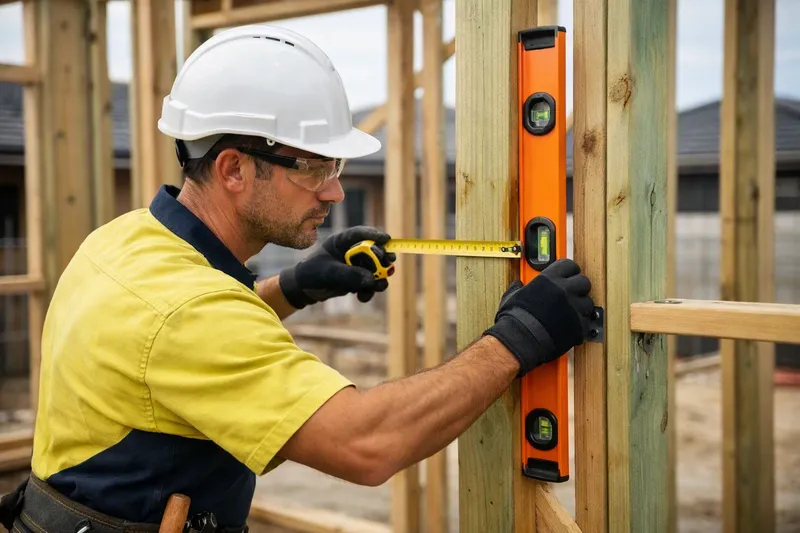
Australian sites generally place heavy emphasis on safety briefings, personal protective equipment, documentation, and safe-work method procedures. You may need to adjust to metric measurements, local building codes, formal site inductions, and different terminology for materials and tools. Employers will also notice punctuality, communication, and the ability to work safely with other trades.
Budget for temporary accommodation, transport, work clothing, tools, licence fees, medical checks, document translation, and a period before your first full pay. Do not assume an advertised hourly rate includes overtime, allowances, accommodation, or travel. Ask whether the figure is before tax and whether the position is permanent, casual, subcontracted, or project-based.
Your next move
Create a one-page skills profile listing your trade qualification, years of experience, main carpentry specialties, English level, preferred states, and visa status. Then explore Australian carpenter, joiner, formwork, and construction supervisor vacancies and sign up for job alerts so you can compare legitimate opportunities as they appear.
Disclaimer: Australian visa, occupation-list, licensing, and skills-assessment rules change frequently. Verify current requirements with the Australian Department of Home Affairs, the relevant skills-assessment authority, state licensing bodies, and qualified advisers before applying.