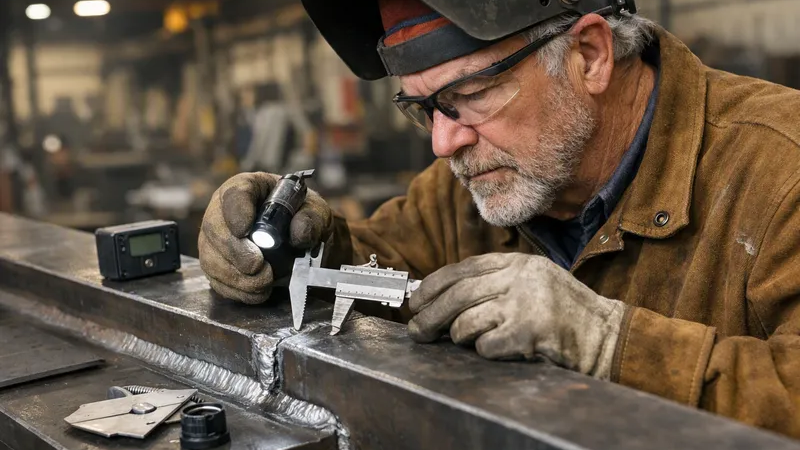
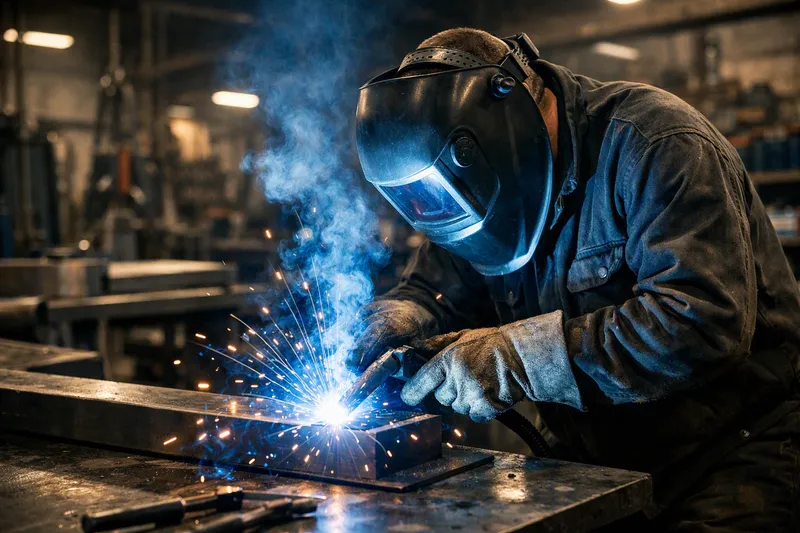
A high hourly wage does not automatically make a country the best destination for a welder. The real question is what remains after tax, rent, transport, food, insurance, tools, and the cost of relocating. In 2026, welders with pressure-vessel, pipe, structural, shipyard, coded, or specialist process experience may find strong demand in several countries, but the best choice depends on certification, language, overtime, and the type of work you are prepared to do.
The ranges below are broad gross planning estimates. Actual offers vary by region, union coverage, shift pattern, certification, and whether accommodation is included.
United States: strong upside, high variation
Many experienced welders in the United States plan around roughly US$22–$45 per hour, with specialized pipe, aerospace, shutdown, underwater, or highly certified work potentially higher. Annual gross earnings may therefore range from approximately US$45,000 to over US$90,000, but overtime and travel allowances can make a major difference.
Demand is often strongest in energy, manufacturing, shipbuilding, infrastructure, repair, and industrial maintenance. Employers may ask for process-specific tests such as MIG, TIG, stick, flux-cored, or pipe welding, often under a recognized welding code. Some sites require drug testing, safety training, or a background check.
The trade-off is cost and complexity. Housing in major industrial cities can be expensive, health insurance arrangements differ by employer, and work authorization must be settled before starting. A job paying well in a lower-cost region may leave more disposable income than a higher hourly rate in an expensive coastal market.
Germany: stable industrial demand and credential questions
German welder pay may commonly fall around €15–€28 per hour, with experienced specialists and shift workers earning more. Gross annual pay frequently lands in the €32,000–€58,000 range before tax, depending on collective agreements, industry, and overtime.
Germany has established demand in mechanical engineering, automotive supply chains, plant construction, metal fabrication, rail, and industrial maintenance. Employers may value certificates aligned with European or international standards, experience reading technical drawings, and familiarity with quality documentation.
Cost of living differs sharply. Munich, Frankfurt, and some major cities can be expensive, while smaller industrial towns may offer more manageable rent. German language ability can improve job access even when an employer uses English internally. Safety instructions, shift handovers, and quality records are often handled in German.
Norway: high wages, demanding living costs
Norway is often attractive because skilled industrial workers may see gross rates of approximately NOK 240–NOK 400 per hour, with offshore, shutdown, rotational, or highly specialized work potentially above that range. Annual gross earnings can vary widely from about NOK 500,000 to NOK 850,000 or more, depending on rotation and overtime.
Shipyards, maritime work, energy projects, fabrication, and maintenance are important sources of demand. Employers may expect documented process qualifications, safety training, medical clearance for certain work, and the ability to follow strict procedures.
Norway’s wages must be read beside its prices. Rent, groceries, transport, and services can be expensive, especially in larger cities and offshore-related locations. A rotational job that provides accommodation and meals may produce a very different financial result from a city-based role where the worker pays all living costs. Ask exactly what the package includes.
Australia: broad opportunities and practical experience
Australian welding roles may commonly advertise around A$30–A$55 per hour, with coded welders, boilermakers, shutdown crews, and remote project workers sometimes earning more through allowances and overtime. Gross annual earnings can range from roughly A$60,000 to A$110,000+, but the top end should never be treated as typical for every applicant.
Demand appears across manufacturing, mining services, structural steel, heavy equipment, construction, ship repair, and maintenance. Tickets, local safety requirements, and proof of competence matter. Remote work may pay more but can involve long rosters, heat, travel, and time away from family.
How to compare the offers properly
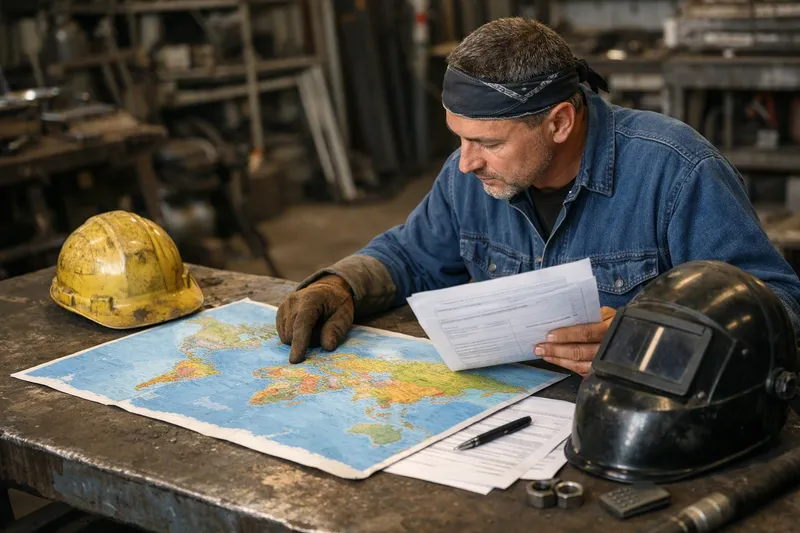
Use a simple comparison sheet rather than chasing the biggest number:
- Gross hourly or annual pay and expected weekly hours.
- Overtime rate, night-shift premium, holiday pay, and allowances.
- Tax estimate and mandatory social contributions.
- Rent, transport, food, phone, insurance, and work clothing.
- Employer-paid flights, accommodation, meals, or relocation support.
- Certification tests, medical checks, licensing, and document costs.
- Visa restrictions and the time required before you can start.
- Whether the role is permanent, temporary, agency-based, or project-based.
A welder earning less on paper may save more if accommodation is provided and commuting is short. Conversely, a high-paying remote role may demand expensive travel home or long unpaid gaps between projects.
The skills that increase international value
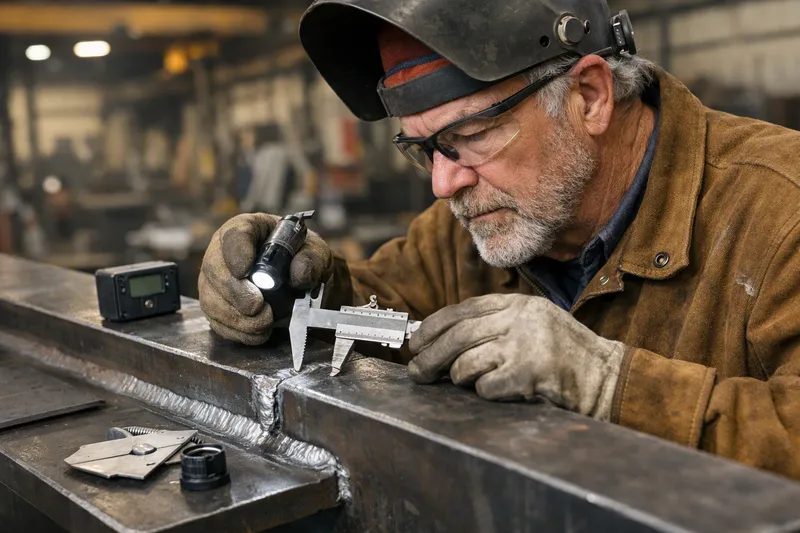
Specialization helps, but only when it is documented. Keep current records for process qualifications, material types, pipe positions, thickness ranges, inspection methods, and safety training. A portfolio should show clean work and explain your responsibility; never photograph confidential employer documents or unsafe activity.
Disclaimer: Pay, tax, labor-market demand, certification, and immigration rules change frequently. Verify current figures with official labor authorities, tax agencies, recognized welding bodies, and employers before accepting an offer or applying for a visa.